
Key Takeaways
- Rest for at least 24 hours so a blood clot can form.
- Soft foods, ice packs, and extra pillows can help you stay comfortable.
- Skip straws, spitting, smoking, and heavy lifting while you heal.
- Your gums often settle in about a week, while your jawbone can take weeks or months.
- Call your dental team if pain, swelling, or bleeding gets worse.
Your cheek still feels numb, there’s gauze in your mouth, and you’re wondering what comes next. The team at Rundle Dental hears this question often, and the answer is usually simpler than you might expect.
After a tooth extraction, you can expect a few days of tenderness and light bleeding, about a week of soft foods and gentle care, and several weeks or months for your jawbone to fully heal. Whether you’re recovering from a simple extraction or wisdom teeth removal, these steps can help you heal comfortably at home.
How Long Does It Take to Heal After a Tooth Extraction?
Healing happens in stages, and each stage asks something a little different from you.
Rest & Let the Clot Form on Days 1 to 2
Plan to rest for at least 24 hours. Some bleeding is normal, and it can look heavier than it is because it mixes with your saliva.
If you see fresh bleeding, press clean gauze on the site for 20 minutes.
Gentle Care Continues on Days 3 to 7
After the first 24 hours, gentle salt water rinses can help keep the area clean, if your dentist approves. Keep brushing and flossing as usual, but skip the extraction site for now. Most people return to their usual diet after about 7 days.
Full Jaw Recovery Over Weeks to Months
Your gums may feel normal well before your jawbone finishes healing. The bone takes several weeks, and large teeth like molars may take up to 4 months. If you’re planning a dental implant, the socket often needs a few months of healing first.
What Does a Normal Extraction Site Look Like?
Here’s what normal healing often looks like when you check in the mirror:
- A blood clot forms to protect the bone and nerves underneath.
- The area can look whitish as the clot settles.
- New tissue fills in and can leave a small dip in your gum.
Why Some Teeth Take Longer
Some teeth have deeper roots than others, and the size and condition of the tooth can affect your recovery time. Ask your dental team whether a follow-up visit makes sense for you.
How to Manage Pain & Discomfort at Home
A few simple steps can make the first days easier:
- Over-the-counter acetaminophen or ibuprofen can ease soreness when taken as directed.
- A towel-wrapped ice pack on your cheek for 15 minutes at a time can help with swelling.
- Extra pillows can raise your head while you sleep.
Take Medications as Directed
If the dentist prescribes antibiotics, finish the full course, even after you start to feel better.
What to Eat & Avoid After a Tooth Extraction
Soft Foods to Stock Up On
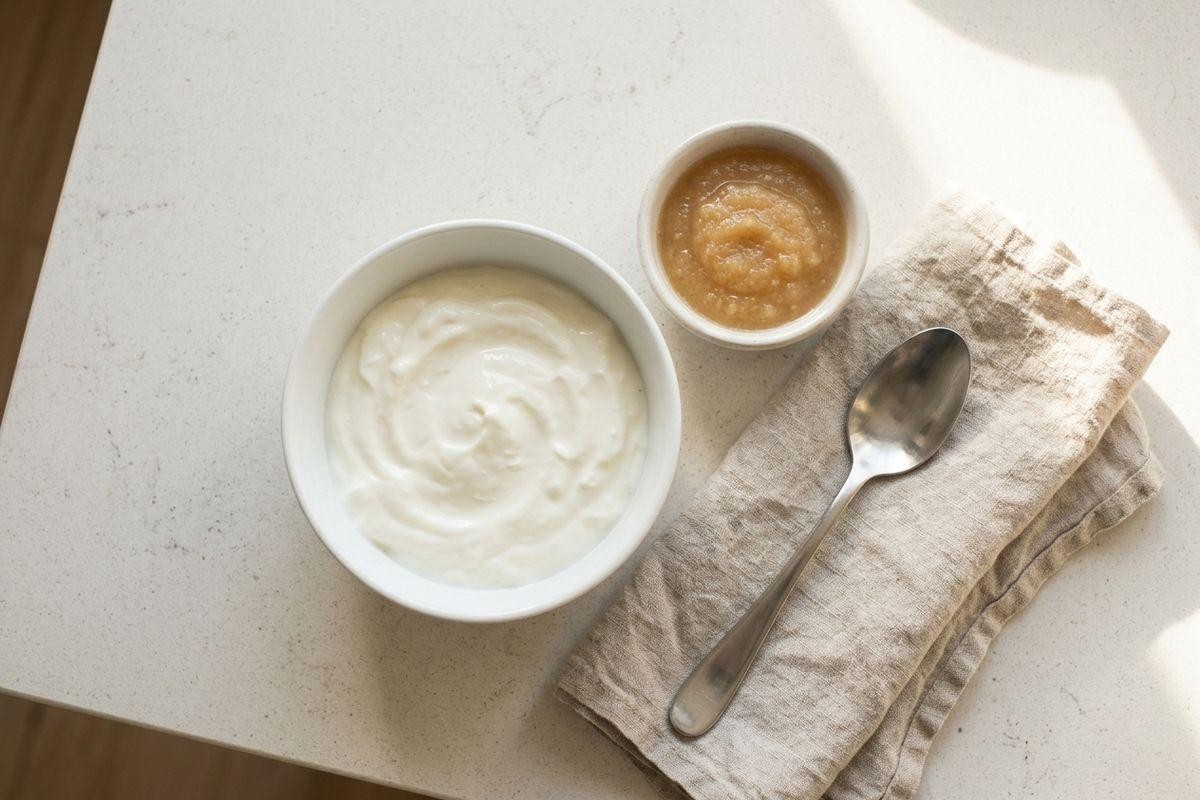
Wait to eat until the numbness wears off. Then reach for soft foods that won’t get stuck in the empty socket, like rice, pasta, eggs, yogurt, soup, and applesauce.
Protect the Blood Clot
These habits can help keep the clot in place:
- Skip straws, spitting, and strong rinsing.
- Avoid smoking or vaping while you heal.
- Keep your tongue and fingers away from the site.
Take It Easy for a Few Days
Skip the gym for the first 48 to 72 hours, and avoid lifting anything over 10 pounds, or about 4.5 kg. If a sneeze is coming, sneeze with your mouth open. When your nose runs, wipe it gently instead of blowing.
When to Call Your Dentist in NE Calgary
Most extractions heal smoothly, but call your dental team if you notice any of these signs:
- Pain or swelling gets worse over time.
- Bleeding doesn’t stop with gauze and pressure.
- You have a fever or foul-tasting drainage.
- Numbness lasts much longer than expected.
Same-day and emergency appointments mean you can often be seen quickly, even on weekends.
How to Prepare Before Your Appointment
Stock up on soft foods and ice packs before your visit. If you feel nervous, ask the team about nitrous sedation.
Tips for Parents & Caregivers
Help your child avoid biting their numb cheek. Once the numbness fades, offer soft, cold foods, and check in often about pain and bleeding.
Heal Comfortably With Rundle Dental
Recovery takes a little patience, and you don’t have to figure it out alone. Rundle Dental is open 7 days a week with evening and weekend appointments, free parking, and care in English, French, Mandarin, Cantonese, Tagalog, and Thai. The clinic also accepts the Canadian Dental Care Plan.
Book your visit today, and let the team help you heal comfortably.