
Key Takeaways
- Wisdom teeth are your third molars, and they usually come in between ages 17 and 21.
- You can often keep wisdom teeth that are healthy, well placed, and easy to clean.
- Pain, swelling, a sore gum flap, or trapped food can be signs to get checked.
- X-rays help your dental team see how your wisdom teeth sit and spot changes early.
- Pain that gets worse after removal is a reason to call your dental team right away.
Maybe you’ve felt a dull ache behind your last molar, or your floss keeps catching on something new at the back of your mouth. Many teens and young adults who visit Rundle Dental bring up the same question about these late arrivals.
You may need your wisdom teeth removed if they cause pain, swelling, crowding, or cleaning trouble, or if an X-ray shows they’re stuck under your gums. You can often keep them if they’re healthy, well placed, and easy to clean. The team at Rundle Dental offers wisdom teeth removal and can walk you through your X-rays so you can decide together.
What Are Wisdom Teeth?
Wisdom teeth are your third molars. They sit at the very back of your mouth, behind all your other chewing teeth.
They’re also the last teeth to come through your gums. They usually show up between ages 17 and 21, long after your other adult teeth have settled in.
When Can You Keep Your Wisdom Teeth?
Not every wisdom tooth needs to come out. Your dental team may suggest keeping yours when these things are true:
- They’re healthy and fully grown in.
- They sit in the right spot and bite properly with the teeth above or below.
- You can brush and floss them easily every day.
If your toothbrush reaches them without a struggle, that’s a good sign.
Signs You May Need Your Wisdom Teeth Removed
Some wisdom tooth problems are easy to feel. Others only show up during a checkup.
Signs You Can Spot at Home
Watch for these signs near the back of your mouth:
- You feel pain or swelling near your back teeth.
- The gum flap over a partly grown tooth looks red and feels sore.
- Food often gets stuck around your back teeth after meals.
If any of these persist or get worse, let your dental team know.
Problems Your Dental Team Looks For
During your exam, the dentist checks for problems you can’t always feel, including:
- A tooth stuck under the gums, which is called an impacted tooth.
- Crowding or damage to the teeth next door.
- Cavities, gum disease, or fluid-filled sacs called cysts.
How X-Rays Help Your Dental Team
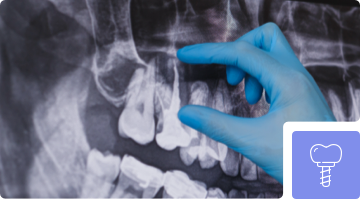
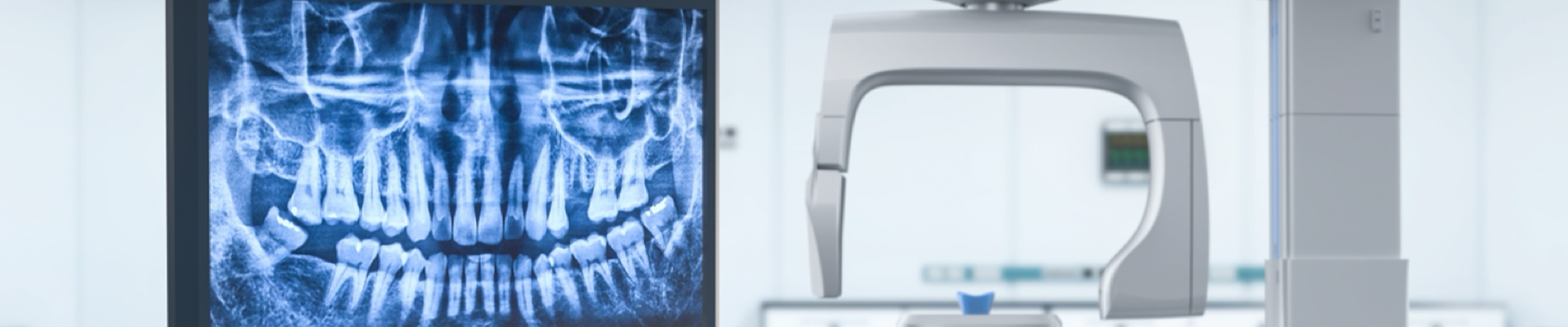
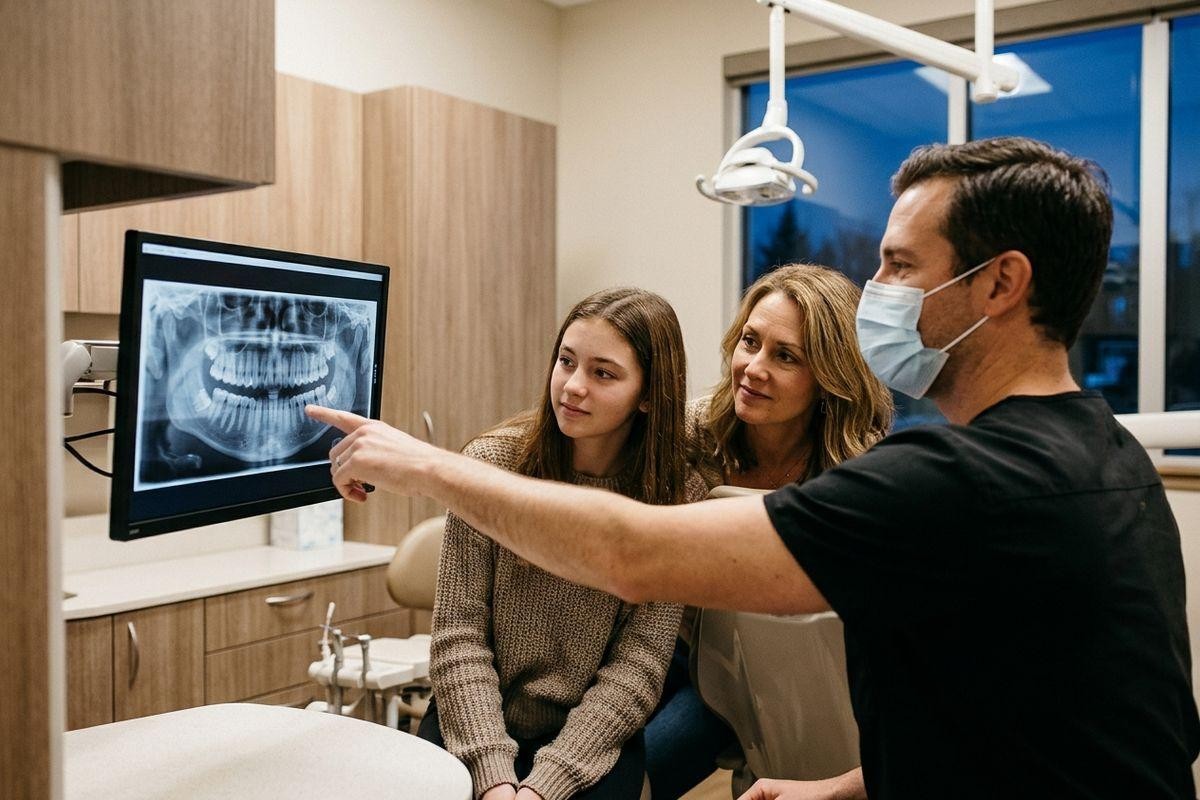
An X-ray shows how your wisdom teeth sit, including the parts hidden under your gums. It gives the dentist a clear view of things a quick look can’t catch.
If your wisdom teeth aren’t causing trouble, they often stay in place and get watched over time.
Regular checkups help spot changes early, so you can plan ahead instead of dealing with a surprise toothache on a busy weekend.
How Age Affects Wisdom Tooth Removal
When to Get Your Wisdom Teeth Checked
Many dentists suggest a wisdom teeth check between ages 16 and 19. Most problems show up between ages 15 and 25, so an early look gives you a head start.
If you have a teen at home, you can ask about their wisdom teeth at their next cleaning.
Removal in Your 20s & Beyond
Some dentists suggest removing impacted wisdom teeth before age 20. Younger patients tend to heal faster.
If you’re past your 20s, problems after age 30 are less common, and your dental team can help you decide what fits your situation.
What to Expect After Wisdom Tooth Removal
The First Few Days
Pain and swelling usually start to ease within a few days. Until then, soft foods like yogurt, mashed potatoes, and smooth soup can keep meals simple. Your dental team may also suggest gentle warm salt water rinses.
Your jaw may feel sore and stiff for up to 2 weeks. That big burger can wait a little longer.
Signs of Dry Socket
Dry socket can happen if the blood clot comes out early. Watch for these signs:
- Your pain gets worse instead of better.
- The pain spreads toward your ear, eye, or temple on the same side.
- The spot where your tooth was looks empty.
- You notice a bad taste or smell in your mouth.
If you notice any of these, reach out to your dental team right away.
Next Steps With a Dentist in NE Calgary
Rundle Dental is a Calgary NE dental clinic open 7 days a week, with evening, Saturday, and Sunday appointments. You can book easily, and same-day appointments are available. Care is offered in English, French, Mandarin, Cantonese, Tagalog, and Thai, so you can ask questions in the language that feels most comfortable.
A few simple steps can help you get started:
- Book a wisdom teeth check at a time that fits your schedule.
- Ask your dental team about cost and whether the Canadian Dental Care Plan, or CDCP, can help cover your care.
- Bring your questions, including whether nitrous sedation could help you feel more relaxed.
Costs can vary, so talk to your dental team, who can assess your individual needs. When you’re ready, book a visit with Rundle Dental and get clear answers about your wisdom teeth.